A Promising Start
The Uruguayan national team, known as La Celeste, kicked off their journey to the 2026 World Cup with remarkable vigor. In the early qualification rounds, the team displayed a level of play that generated optimism among fans. With a squad featuring renowned players like Luis Suárez and Federico Valverde, expectations were high. However, as the matches progressed, obstacles emerged that tested the team's resilience.
The initial qualification phase was relatively successful, with key victories that set a solid pace. Notably, the 3-0 triumph over Paraguay in October 2023 highlighted the team's potential. However, from that point, instability began to take its toll, and doubts about the team's direction started to rise.
Critical Moments in Qualification
As the competition advanced, Uruguay faced several unexpected setbacks. One of the most critical moments was the loss in November 2023 against Chile, a match that left many fans wondering whether the team could stay in the race for qualification. The pressure mounted, and criticism towards coach Diego Alonso began to echo in the media.
In this context, the team had to work harder to regain confidence. The 2-1 victory over Colombia in March 2024 was a turning point. This win not only revitalized the team's morale but also showcased that La Celeste still possessed the competitive spirit necessary to fight for a World Cup spot.
Diego Alonso's Strategy
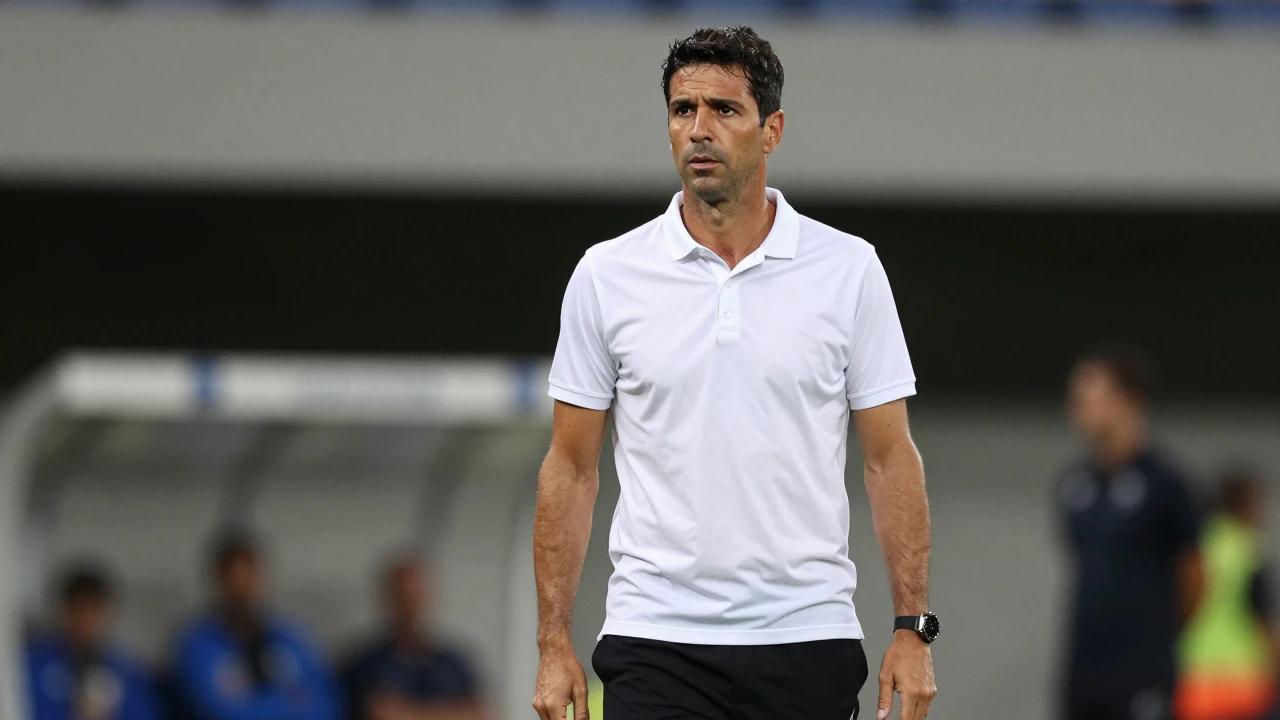
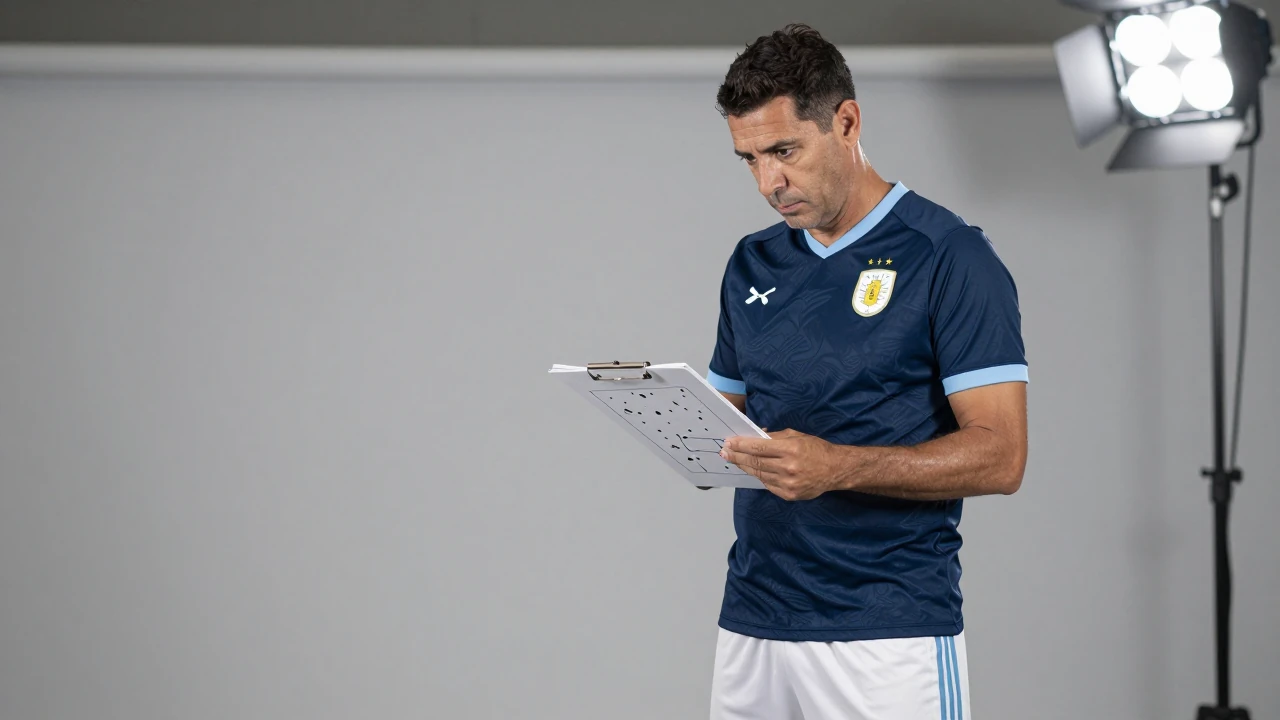
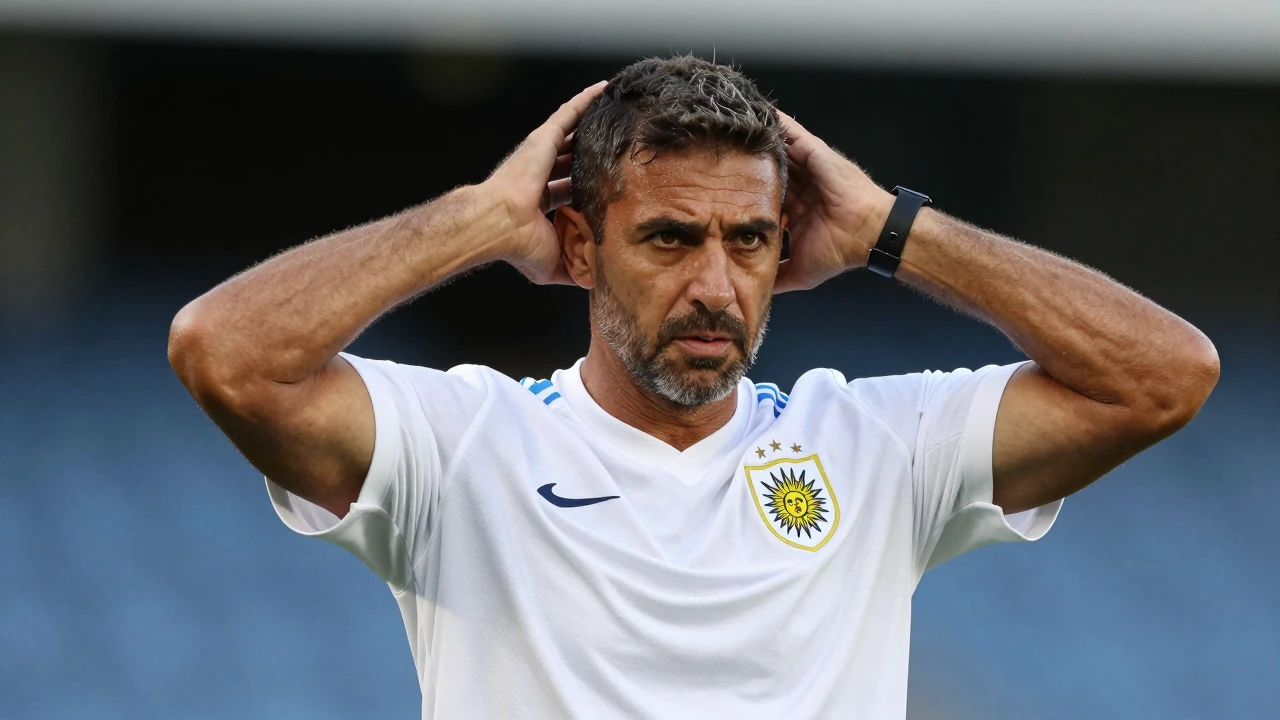
Diego Alonso's management has been a topic of debate throughout the qualification process. Some critics argue that his conservative playing style hasn't maximized the offensive talents of the team. However, others point out that his pragmatic approach has kept the team in contention despite difficulties.
Alonso has opted for a flexible formation, alternating between a 4-4-2 and a 4-3-3 depending on the opponent. This adaptability has allowed players like Darwin Núñez and Rodrigo Bentancur to find their optimal roles on the field. Yet, the lack of consistency in performance has led many to question whether this approach will be sufficient to compete at the highest level in the World Cup.
What It Means for Uruguay
La Celeste's qualification for the 2026 World Cup is a significant milestone in Uruguayan football history. For fans, it represents not only a fulfilled dream but also a chance for redemption after a series of disappointing performances in previous tournaments. The unwavering passion and support from supporters have been crucial, and the expectation is that fans will fill the stadiums in the United States, Mexico, and Canada.
- Uruguay's history in World Cups is rich and full of successes.
- La Celeste has won the tournament in 1930 and 1950.
- Qualification for 2026 marks a new era of hope and renewal.
Fan Reactions
The arrival of La Celeste at the World Cup has generated mixed reactions among fans. Many celebrate the qualification, while others express concern over the team's inconsistency. Through social media, fans have shared their feelings, and polarization is evident. Some advocate for a change in the team's direction, while others defend the current process.
Online forums and fan communities have been abuzz with discussions about possible lineups and tactics Alonso might employ in the tournament. The debate over whether veterans like Suárez and Edinson Cavani should play a prominent role in the competition is a recurring theme. On the other hand, including young talents is also vital for the team's future.
Opposition and Criticism
Critics will argue that the tactical choices made by Diego Alonso may not be suitable for the fast-paced nature of the World Cup. The flip side is the perspective that maintaining a core group of experienced players could benefit the team's stability. Some fans believe that the team should adopt a more aggressive strategy to capitalize on their attacking strengths, rather than relying heavily on defensive tactics. This ongoing debate highlights the complexities of team management as Uruguay approaches the World Cup.
What's Next
With qualification secured, Uruguay is now preparing for the challenge of the 2026 World Cup. The coming months will be crucial, as the team needs to refine its strategy and cohesion. The fans expect to see a team that not only competes but aims to advance beyond the group stage.
Preparatory friendlies and tactical decisions in the matches leading up to the World Cup will be vital. The pressure is on Diego Alonso to demonstrate that he can lead La Celeste to a performance that honors Uruguay's rich footballing history. Every match will be an opportunity for the team to showcase its potential and what it means to represent a country with such a footballing tradition.