
The new face of La Celeste
The Uruguayan national team, known as La Celeste, is making significant strides in its preparation for the FIFA World Cup 2026. With the recent addition of six new players, the team is solidifying and showcasing its potential. Among them are Darwin Núñez, Ronald Araujo, and four other emerging talents who could be key in the competition.
This selection process reflects not only the intention to strengthen the team but also points to a necessary generational shift after years of success and experience on the pitch. The combination of youth and experience promises to give Uruguay a new boost on the international stage.
The significance of new talents
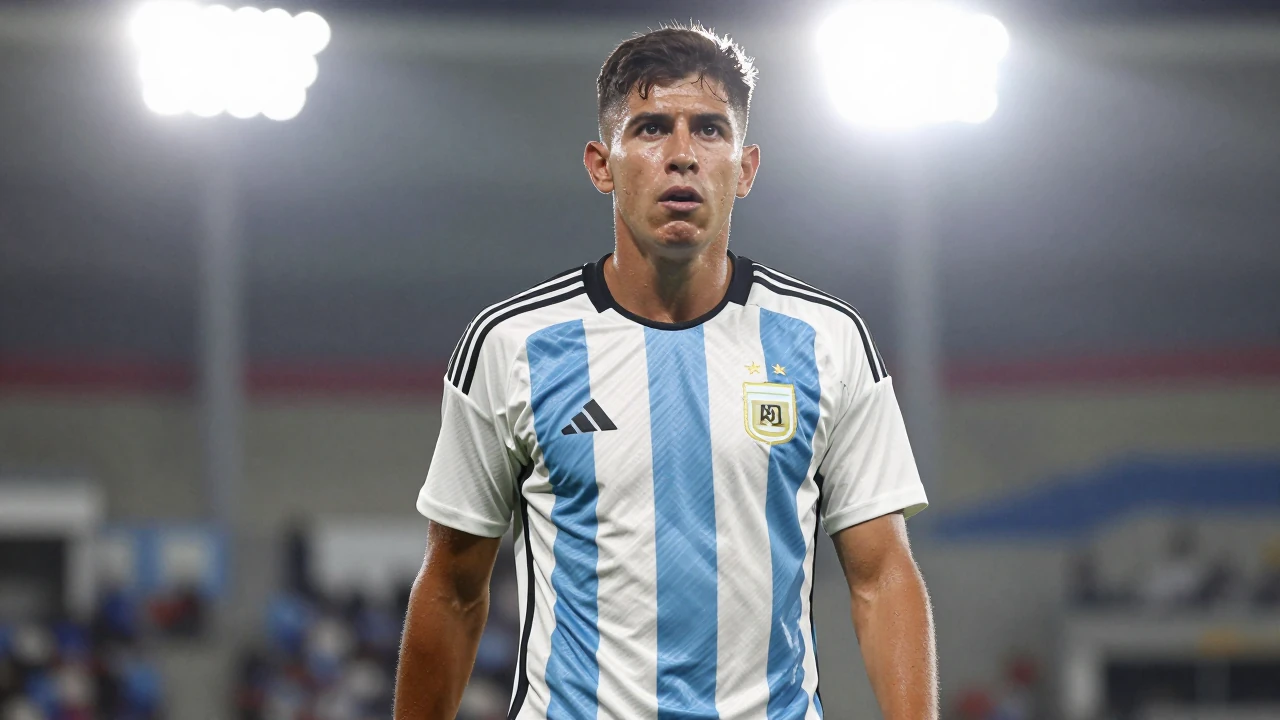
The arrival of Darwin Núñez, a forward who has demonstrated his capabilities in the Premier League, and Ronald Araujo, known for his defensive solidity at FC Barcelona, suggests that Uruguay isn’t leaving anything to chance. These players, along with four others joining the squad, clearly indicate that the coaching staff is looking not just to compete but to make a strong statement at the World Cup.
- Darwin Núñez: Star forward with great goal-scoring ability.
- Ronald Araujo: Solid defender, crucial for the team's stability.
- Four other players: Bring freshness and dynamism to the squad.
The inclusion of these players has the potential to change the team’s dynamics. Their modern, aggressive playing style is expected to blend with La Celeste's traditional philosophy, known for its grit and determination.
The impact on tactical schemes
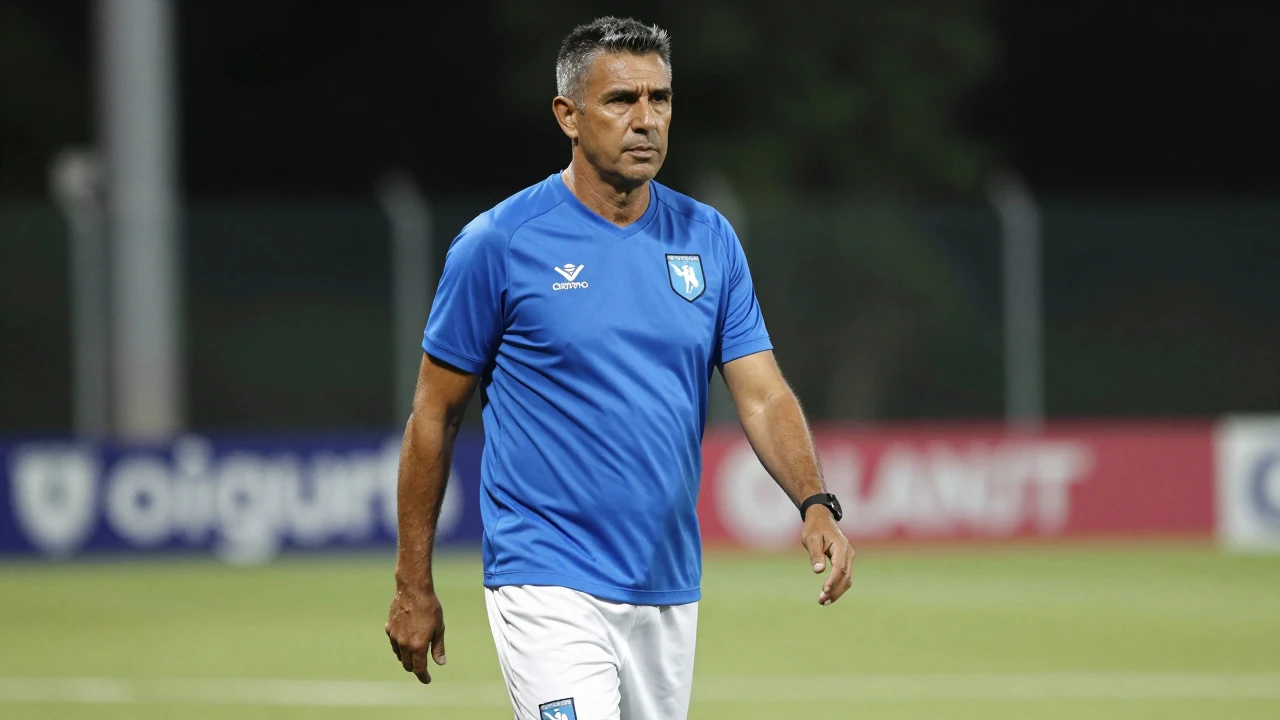
With the arrival of new talents, Uruguay's head coach, Diego Alonso, has the opportunity to experiment with different tactical formations. The integration of players like Núñez and Araujo will allow Alonso to implement a more offensive style of play without sacrificing defensive solidity.
Historically, Uruguay has played with a 4-4-2 system, but it could lean towards a 4-3-3, taking advantage of the speed and technical skill of its new players. This tactical flexibility is vital for adapting to the diverse playing styles they will encounter at the World Cup.
What this means for Uruguay
The Uruguayan fanbase has always had high expectations for their national team, and the inclusion of these new players generates a mix of excitement and hope. The possibility of seeing a new generation of footballers shine on the world stage is an incentive for supporters.
Moreover, the pressure to represent a country with a rich footballing history can be both a challenge and a motivation. Fans expect these young talents to not only adapt quickly but also contribute to the legacy of La Celeste.
The critics' perspective
However, some critics argue that the rapid integration of so many new players could destabilize the team. Concerns about lack of synchronization and collective experience are valid. Only time will tell if these young players can fit into a team that has traditionally relied on strong cohesion and mutual understanding.
Fan reactions and future outlook
The response from fans has been overwhelmingly positive. Many see this as a crucial moment to rebuild the team and prepare for the World Cup challenge. Social media is filled with optimistic comments, with supporters urging the team to advance and prove their worth on the global stage.
The immediate future of La Celeste focuses on friendlies and competitions that will serve as preparation. With the World Cup around the corner, every match counts to fine-tune strategy and strengthen team chemistry.
What's next?
As the 2026 World Cup approaches, Uruguay needs to continue working on integrating these new talents. The next phase of preparation will involve international friendlies and possibly qualifying tournaments, where the team can test its tactics and adjust its lineup.
Uruguayan fans have reasons to be excited. With a team that blends experience and youth, the hope is that La Celeste can leave its mark on the upcoming World Cup, reaffirming its status as one of football’s giants.