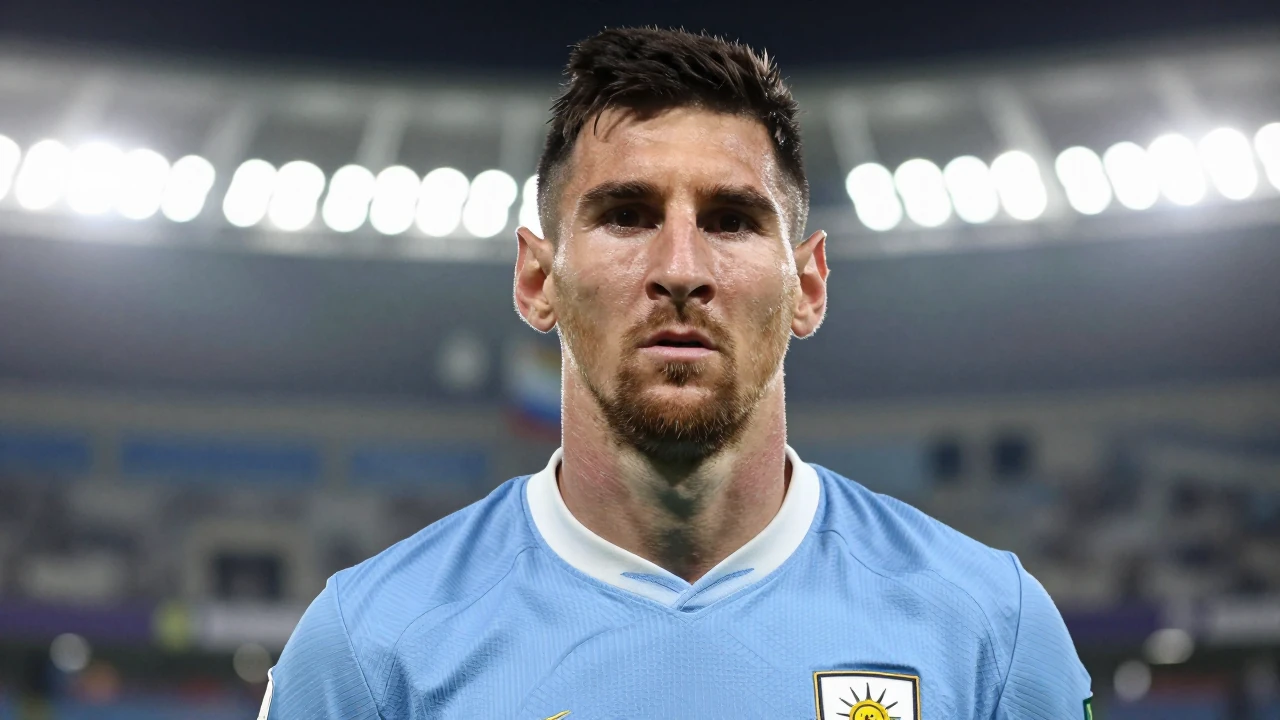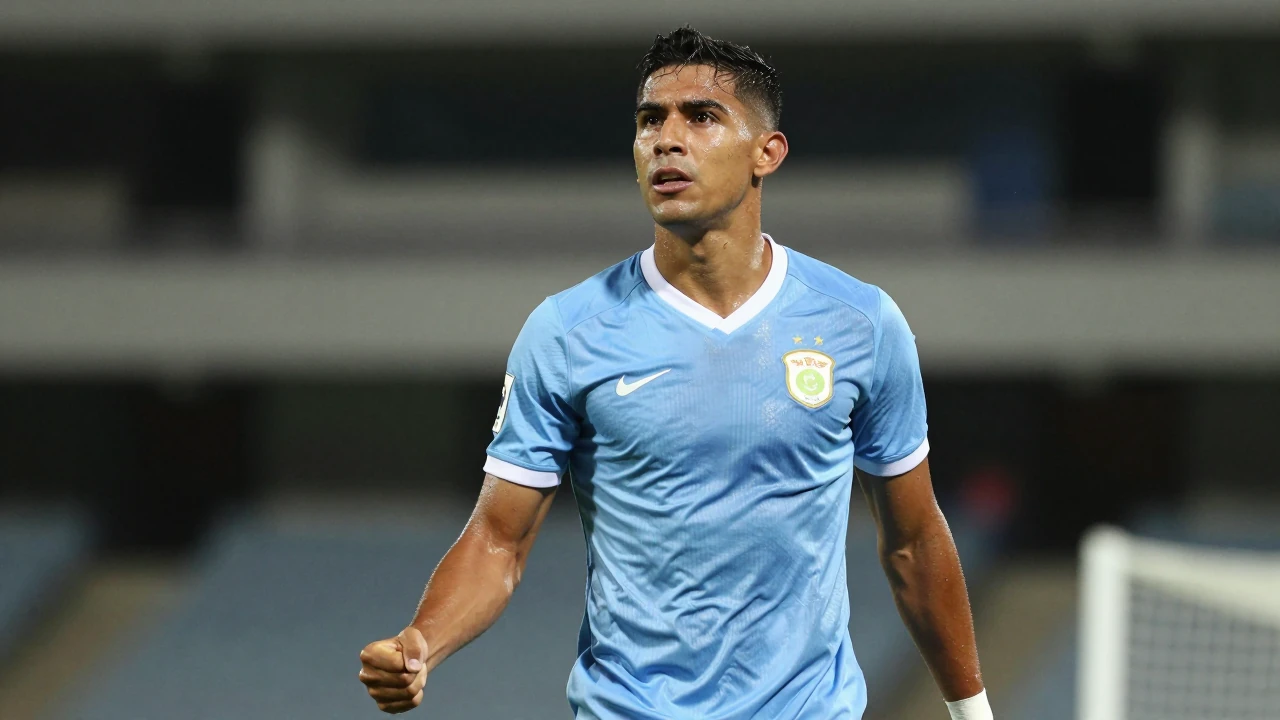
The Uruguay national team has a unique history of absences and boycotts at the World Cup, a legacy that contrasts with its current 2026 campaign. According to a report from www.google.com, Uruguay was the first and only defending champion to miss a World Cup when it did not participate in the 1934 edition.
Why did Uruguay boycott the early World Cups?
The first World Cup was hosted by Uruguay in 1930, but only four European teams made the trip due to the Great Depression and the long sea voyage. In response to that low turnout, Uruguay chose not to defend its title in Italy 1934. This boycott left the tournament without its reigning champion, a feat never repeated. Four years later, Uruguay and Argentina refused to go to France 1938, arguing the event should alternate between Europe and South America.
Which other famous teams were absent?
Other notable absences have marked the tournament's history. Austria qualified for 1938 but could not compete after the Nazi annexation. Spain was absent due to its civil war. Following World War II, Germany and Japan were excluded from FIFA and missed the 1950 World Cup in Brazil. They were readmitted weeks after the tournament ended. In 1966, all African nations boycotted the qualifying process because FIFA allocated only one combined spot for Africa, Asia, and Oceania.
How did politics affect participation?
Politics often prevented teams from playing. South Africa was expelled from FIFA in 1961 due to apartheid and could not attempt to qualify until its readmission in 1992. The Soviet Union refused to play a playoff for the 1974 World Cup at Santiago's National Stadium, a site linked to executions by Chile's military junta. FIFA would not move the match, and Chile advanced after a symbolic goal. Iran made its debut in 1978 but missed the 1982 and 1986 tournaments following the Islamic revolution.
What is Uruguay's current context?
While reflecting on this history, La Celeste is focused on its present in the 2026 World Cup. The team currently sits third in its group, with 2 points from 3 games. Its record shows 3 goals scored and 4 conceded. The last result was a 1-0 loss to Spain on June 27, leaving them 5 points behind the group leader. Recent form shows a run of four draws and one loss in the last five matches.
What's next for the Uruguay team?
The immediate path for Uruguay is clear: they must improve results to advance in the tournament. The next fixture is a key away match against Japan on September 24. Fans can track the team's progress on our stats page and check the standings for the group picture. The history of forced absences from the past underscores the value of every present participation, and La Celeste will aim to write a new chapter in its rich World Cup story.