
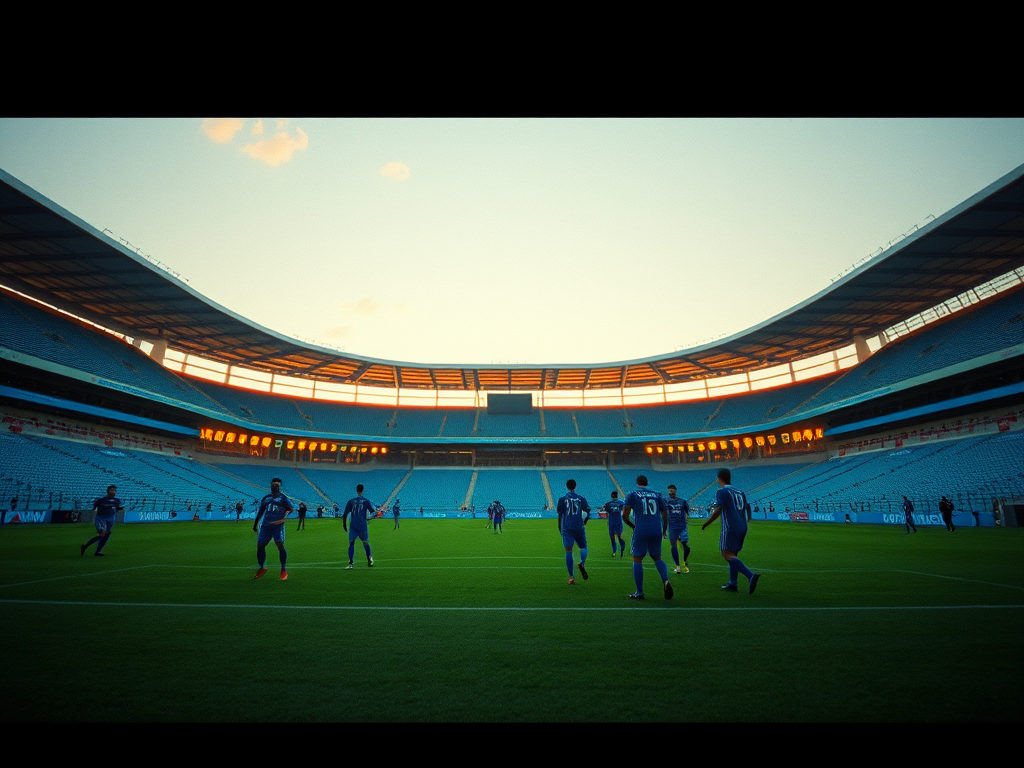
La Celeste has shown notable growth in its play in recent matches, particularly in how it combines high pressing with quick transitions in attack. However, to further optimize this aspect, there are certain strategies that could be implemented to fully harness the speed of its players.
One of the cornerstones of Uruguay’s offensive play is the agility of its wingers. Players like Facundo Pellistri and Darwin Núñez have proven capable of breaking down defenses and creating danger on the flanks. To make the most of their speed, it would be beneficial for the team to adopt a more direct approach, looking for through balls that allow them to run towards the opponent's goal. This would not only create more scoring opportunities but also destabilize opposing defenses.
Furthermore, the inclusion of a midfielder responsible for quickly distributing the ball could be key. A player like Federico Valverde, known for his vision and passing accuracy, could play a fundamental role in connecting defense and attack more effectively. By establishing shorter, quicker passing lines, La Celeste could maximize its speed and create more goal-scoring chances.
Another aspect to consider is the formation. While the 4-3-3 has been effective, a 4-2-3-1 could offer greater flexibility, allowing wingers to move more centrally and create space. This would also facilitate the involvement of an attacking midfielder in build-up play, generating more options in attack and making the team less predictable.
Finally, it is crucial for Uruguay to maintain a proactive mindset during matches. High pressing can be effective, but it must be accompanied by quick ball recovery and immediate attacking. If La Celeste can implement these strategic adjustments, it will not only increase its offensive capacity but also become a more feared team in the 2026 World Cup.