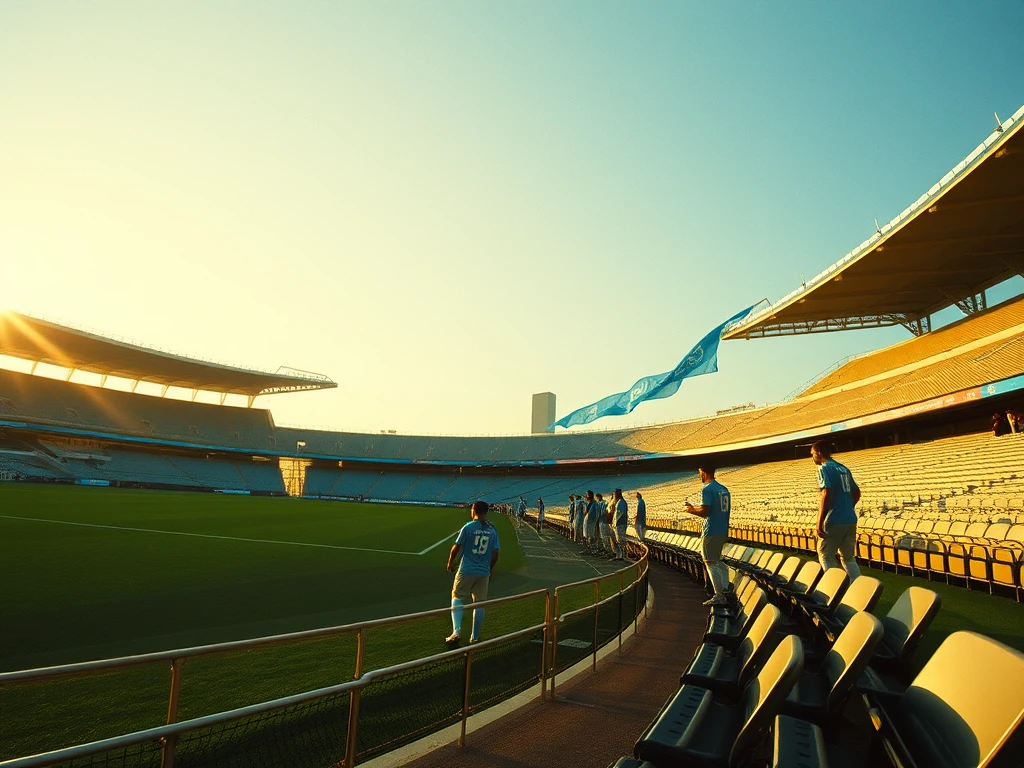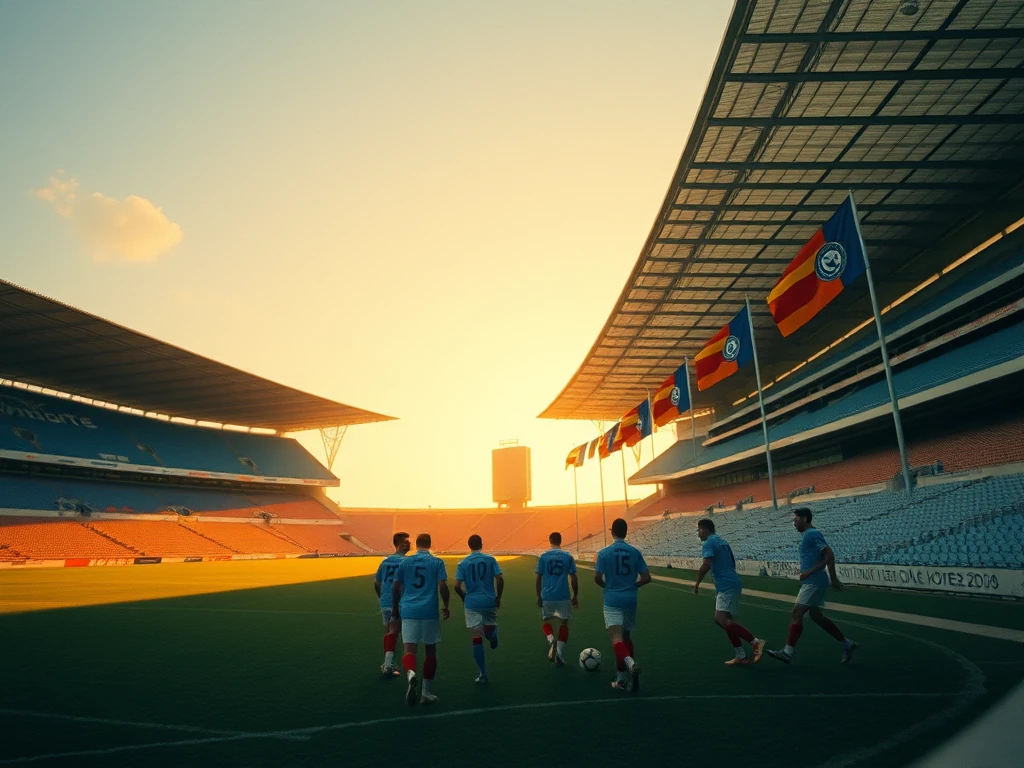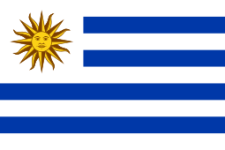

The 1930 World Cup, held in Uruguay, is a date that resonates with pride in the hearts of all Uruguayans. As hosts of the first-ever World Cup, La Celeste not only had the responsibility of organizing a historic event but also had to prove their worth on the field. From the moment the whistle blew, it was clear that this team was ready to leave an indelible mark on the history of the sport.
The road to glory was not easy. In the group stage, Uruguay faced Peru and Romania, with palpable pressure on their shoulders. However, La Celeste, led by figures like José Nasazzi and Pedro Petrone, showcased fluid and strategic play that left their rivals astonished. In the semifinal, their resounding victory over Yugoslavia (6-1) was a spectacle that ignited the enthusiasm of fans and solidified their place in the final.
On July 30, 1930, at the Estadio Centenario, the final was held against Argentina, a historic rival that added a special flavor to the match. The tension was palpable, and the atmosphere was charged with emotion. Uruguay was not only fighting for the title but also for the honor of being the first world champions. With goals from Pablo Dorado and Héctor Scarone, La Celeste was crowned champion with a score of 4-2, a victory that would echo through generations.
This first World Cup was not just a sporting triumph; it was a moment of unity and national pride. Through their victory, Uruguay demonstrated that despite being a small country, it could compete and triumph on the world stage. The celebrations that followed were a reflection of the Uruguayan passion for football, and that fervor remains alive today.
The legacy of 1930 goes beyond a mere trophy; it established La Celeste as a footballing powerhouse and laid the groundwork for the sport's development in the country. The event inspired generations of Uruguayan footballers, who grew up dreaming of donning the celeste jersey and following in the footsteps of their idols. Moreover, the success of the World Cup helped solidify football as a central element of Uruguayan identity, a bond that endures to this day.
As we approach the 2026 World Cup, it is vital to remember this rich history and the impact it had on football. La Celeste remains a symbol of struggle and passion in every tournament they compete in, reminding us that regardless of the challenges, there is always an opportunity to shine on the biggest stage in world football.