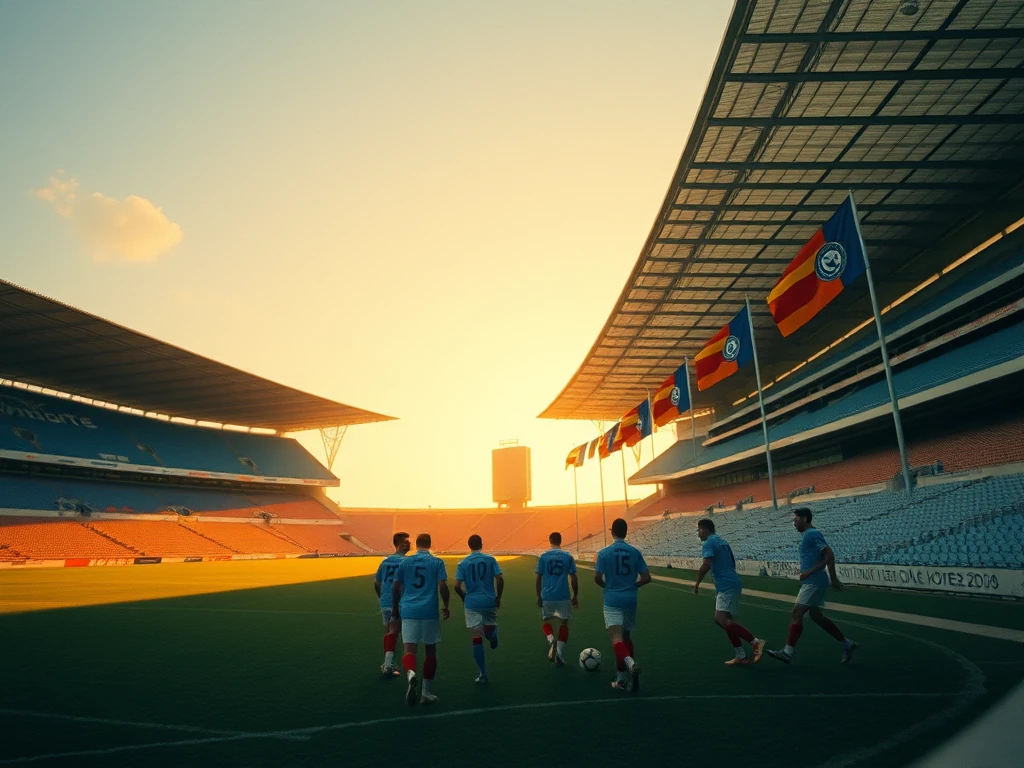
The year 1954 was pivotal for La Celeste, as it was not just a year of competitions but also of transformation. After their success in the 1950 World Cup, where they became champions, the team faced a new challenge: adapting to a rapidly evolving football landscape on the international stage.
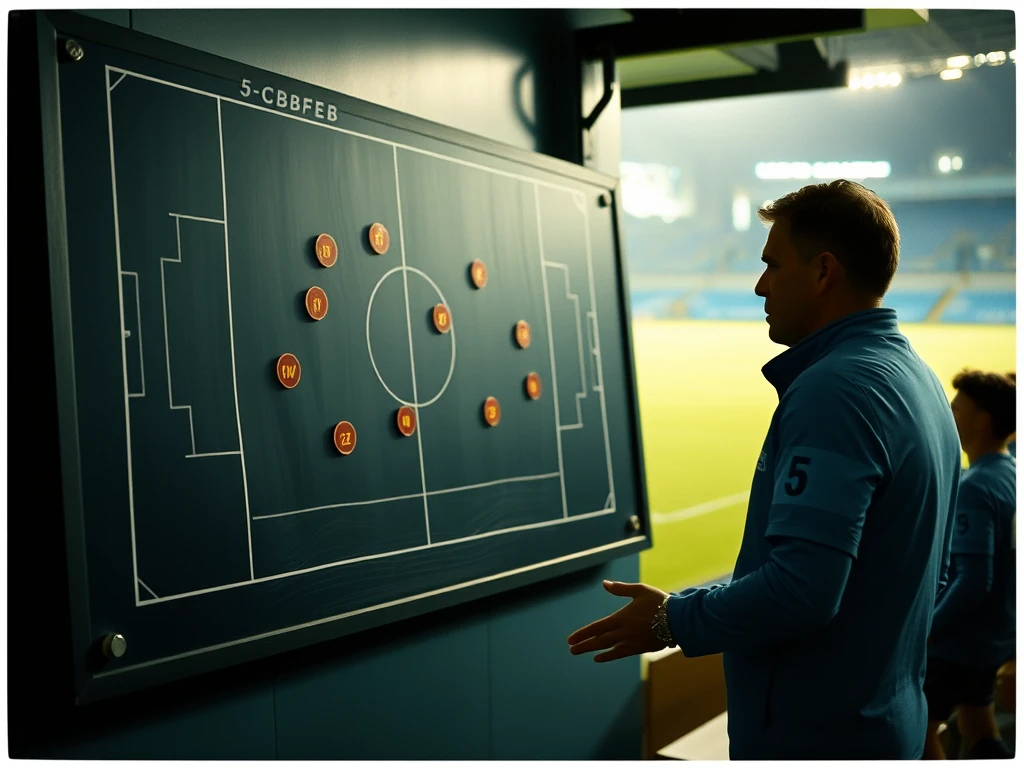
With the arrival of new players and the integration of modern techniques, the Uruguayan national team began experimenting with a more dynamic and offensive approach. The influence of visionary coaches like Juan Carlos Corazzo was felt, as they sought not only to maintain the legacy of solid defense but also to incorporate a more fluid and creative style of play.
One of the most emblematic matches of that year was against Brazil at the Estadio Centenario, a game that would be remembered not only for its tension but for the way La Celeste utilized space and movement on the field. The strategy focused on teamwork, where each player had a crucial role in building plays, a departure from the more individualistic approach of the past.
Furthermore, the adoption of high pressing and quick ball recovery began to be part of La Celeste's DNA, laying the groundwork for what would later be known as “Uruguayan football.” This change not only improved the team's performance on the pitch but also boosted the morale of the fans, who saw a bright future for their national team.
La Celeste was not just seeking victories but also the creation of a playing style that could be admired and emulated worldwide. Thus, in 1954, Uruguay positioned itself not only as a contender but also as an innovator in international football, demonstrating that tradition and modernity can coexist in perfect harmony.