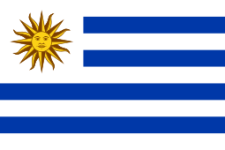

The 1970 World Cup, held in Mexico, marked a high point in La Celeste's history. After being champions in 1930 and 1950, expectations were high, but the team faced fierce competition. However, under the guidance of coach Juan Carlos Lorenzo, Uruguay proved it still had much to offer on the world stage.
Uruguay began its campaign in Group 1, facing Sweden, Italy, and defending champion Israel. In their opening match, an exciting 0-0 draw against Sweden showcased La Celeste's solid defense, which would become its hallmark in the tournament. The real magic came in their second match against Italy, where Uruguay secured a 1-0 victory thanks to a goal from Roberto Cabañas. This win was crucial, not only for the points but also for boosting the team's confidence.
The most notable match of the group stage was the clash against Israel, where Uruguay triumphed with a convincing 2-0 scoreline. The performances of players like Luis Artime and Juan Velázquez were pivotal, and La Celeste advanced to the knockout stage with fluid play and an impenetrable defense.
In the semifinals, Uruguay faced Brazil in a match that would become one of football's great rivalries. The game took place on June 17, 1970, at Estadio Jalisco, and while La Celeste fought valiantly, Brazil emerged victorious with a 3-1 scoreline. However, the match showcased that Uruguay was still a formidable contender in world football, and players such as Fernando Morena left a lasting impression.
The legacy of this World Cup is felt not only in La Celeste's history but also inspired future generations of Uruguayan footballers. The combination of talent, resilience, and passion for the game became a reference point for Uruguayan football in the following decades. La Celeste, although it did not win the tournament, demonstrated that the Uruguayan spirit was very much alive, and that tournament solidified its reputation as one of the most respected teams in the world.
As we approach the 2026 World Cup, it is essential to remember these historical moments that have shaped the identity of Uruguayan football. La Celeste continues to carry the torch of a glorious legacy, and as they prepare to face new challenges, the spirit of 1970 resonates in every match they play. The 1970 World Cup was more than just a tournament; it was a statement that Uruguay, despite the ups and downs, will always fight back on the biggest stage of world football.