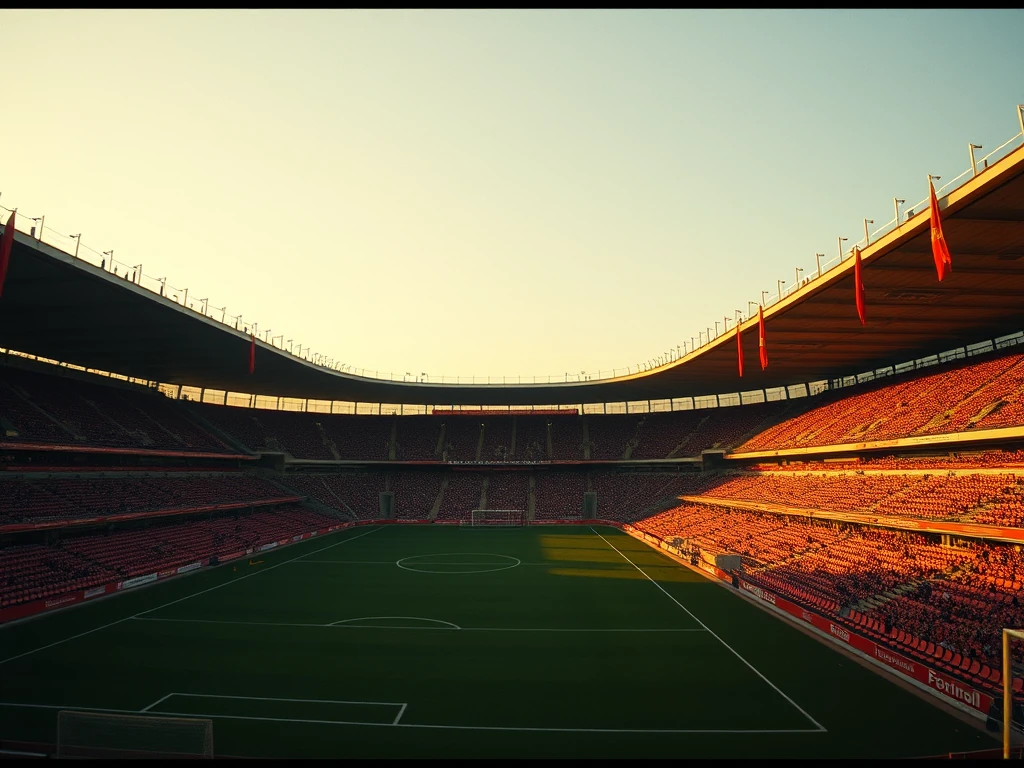
The history of Uruguayan football is filled with memorable moments, but what truly brings each match to life is the fervent culture of its fans. In every corner of Uruguay, from Montevideo to the smallest towns, La Celeste supporters prepare to cheer for their team with a series of rituals that go beyond simply watching a game.
One of the most emblematic rituals begins days before the match. Families gather to prepare traditional foods, such as asado, which becomes the centerpiece of every encounter. The food not only nourishes the body but also feeds the spirit of community that defines Uruguayans. On match day, the streets fill with sky-blue jerseys and waving flags, while the murmur of fans transforms into a powerful collective shout that can be heard miles away.
Arriving at the stadium is another moment of great excitement. Fans, for the most part, choose to go in groups, creating a festive atmosphere from the very moment they set out. Upon arriving at Estadio Centenario, the cradle of Uruguayan football, the atmosphere becomes electrifying. With each step towards the stadium, the sound of drums and trumpets intensifies, creating a percussion that accompanies the fans' chants. The famous “Chants of La Celeste” resonate from every corner, as young and old alike unite in a single chorus of support.
Inside the stadium, the rituals continue. Before the referee blows the whistle to start the match, fans join in a collective embrace, a symbolic gesture that represents unity and unconditional support for the players. In that moment, the tension and anticipation are palpable. The supporters not only back their team but also become the twelfth player, pushing La Celeste toward victory.
During the match, the synchronization of chants and applause is a well-rehearsed orchestra. The passion is felt in every play, and every goal is celebrated as if it were a personal achievement. Fans spare no effort, and the atmosphere transforms into a mix of joy and emotion that can be felt throughout the stadium.
At the end of the match, regardless of the outcome, fans celebrate and console their team, remembering that being part of La Celeste is an honor, a tradition passed down through generations. Family gatherings become an analysis of the match, where plays, referee decisions, and, of course, the next match are discussed.
This is the culture of La Celeste fans: a blend of passion, tradition, and community that transforms every match into an unforgettable celebration. On the road to the 2026 World Cup, these rituals will only strengthen, reminding us that football is more than just a game; it is an essential part of Uruguayan identity.